
· Jessica Ward · aviation for beginners · 6 min read
How to Prepare a Nervous First-Time Flyer for a Scenic Tour
The headset is on, the propeller is turning, and the person beside you suddenly admits they are nervous. The best preparation for a first scenic flight starts well before that moment. Give them a clear picture of the day, let them make a few choices, and tell the flight team about their concerns before boarding.
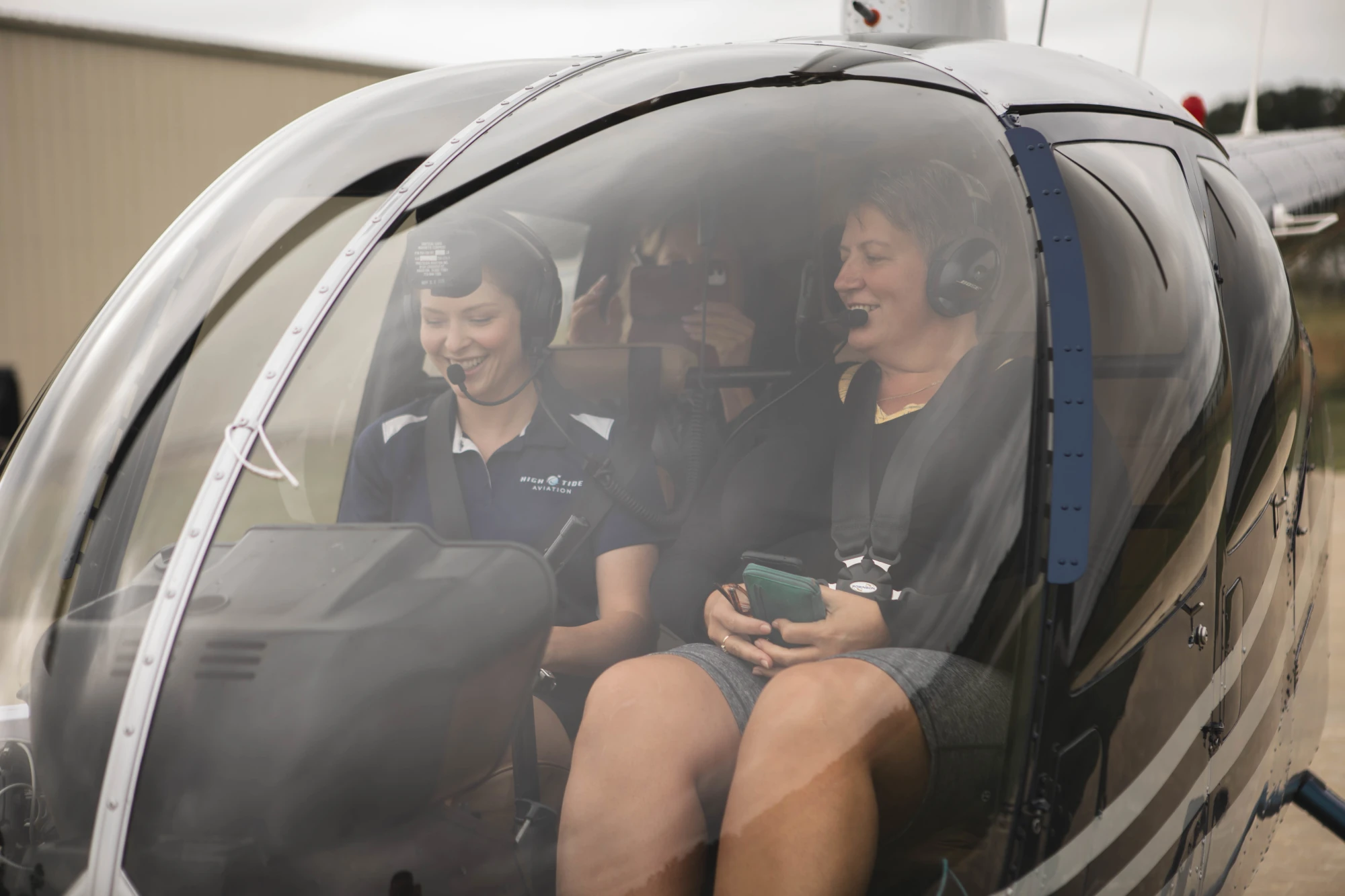
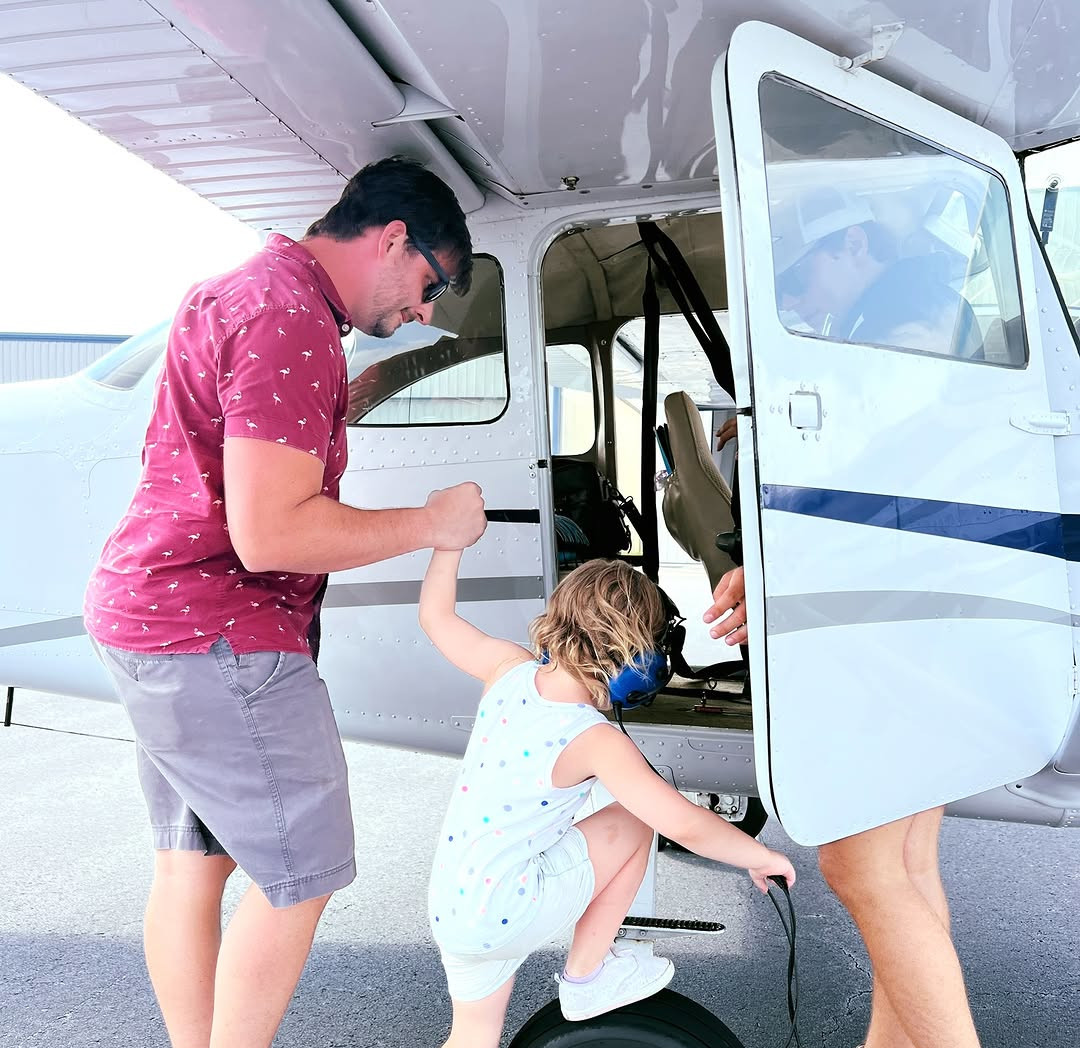
At High Tide Aviation, we want first-time flyers to know what comes next. Our High Tide experience includes meeting the team, hearing a preflight briefing, getting introduced to the pilot and aircraft, and then seeing coastal landmarks from above. Here is how you can help someone arrive informed without making their nerves the center of the adventure.
Start with a flight plan they can picture
Uncertainty often fills in the blanks with worst-case ideas. Replace the mystery with a simple sequence: arrive at the airport, meet the pilot, listen to the briefing, board, take off, follow the coastline, return, and take a photo after landing. You can preview that sequence together in our guide to a first High Tide aerial tour.
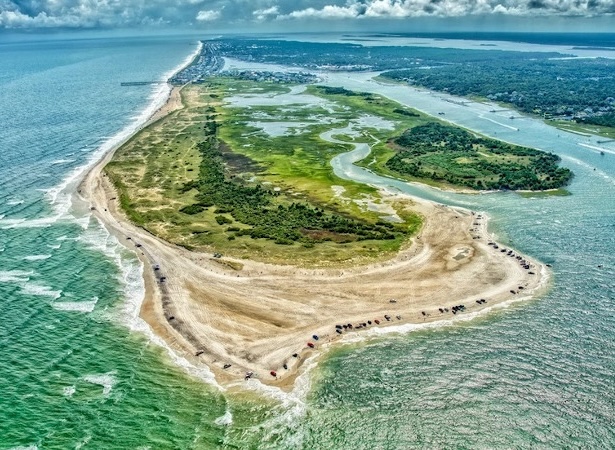
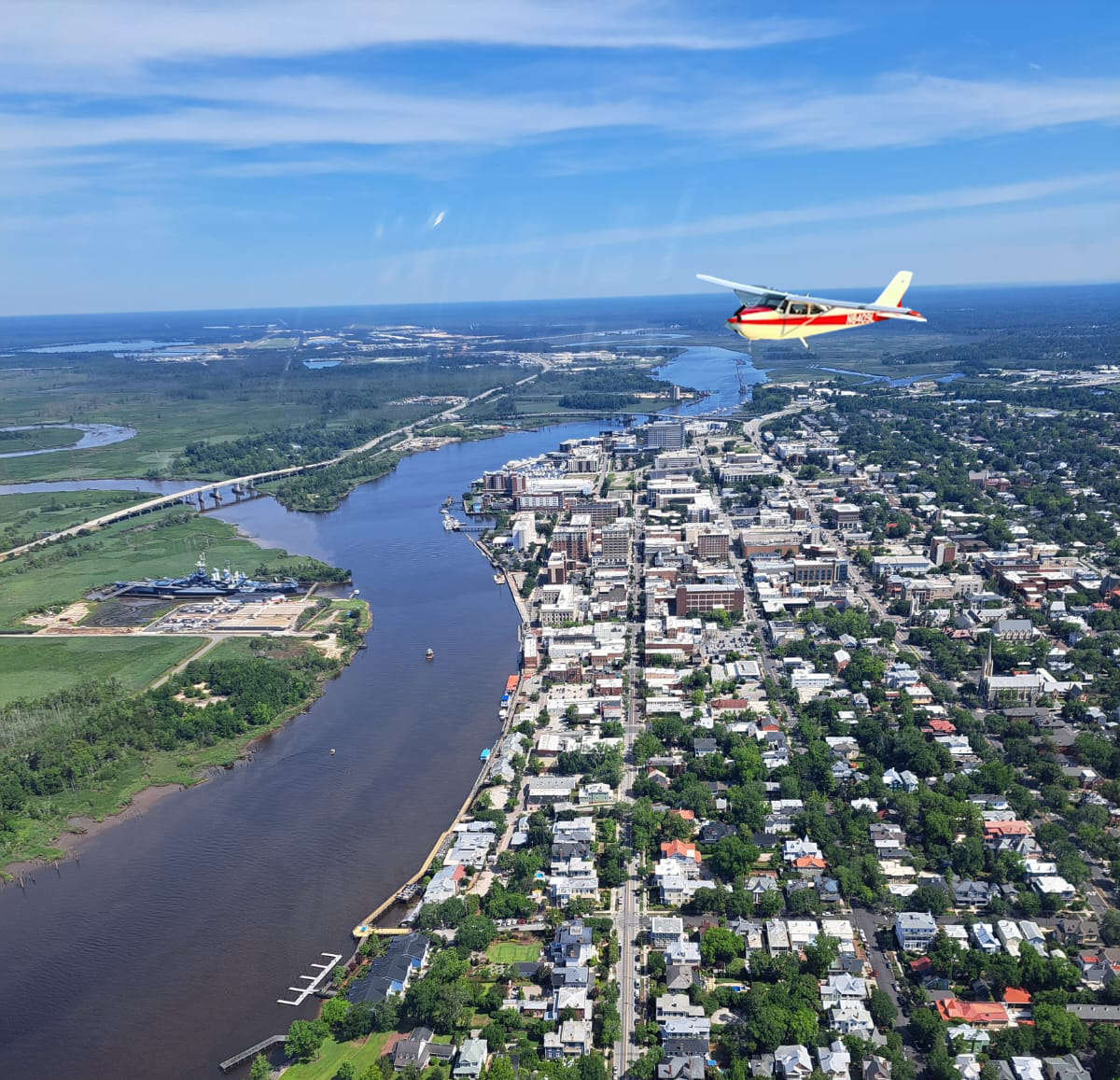
Let the nervous flyer help choose the setting. A little control can make the plan feel more approachable. Compare the views and departure areas for Southport, Wilmington, and St. Simons Island, then pick one or two landmarks they genuinely want to see.

Avoid trying to win the conversation with “there is nothing to worry about.” A better response is specific and honest: “We will arrive early, tell the team this is your first flight, and listen to the plan together.” If your group has particular mobility, seating, or passenger needs, contact us through the custom-tour page before booking so we can discuss requirements.
Give the nervous flyer three useful jobs
A long list can feel like homework. Three small jobs are enough: listen for the pilot’s instructions, keep the seat belt fastened as directed, and speak up if anything feels uncomfortable or unclear.
During the safety briefing, encourage the passenger to ask practical questions. Knowing how the headset, door, restraint, and communication work can turn vague worry into familiar actions. The pilot’s instructions are specific to the aircraft and the flight, so give that briefing your full attention.
Once airborne, choose a simple sightseeing job: find the lighthouse, trace the shoreline, or listen for the next landmark. Looking outward gives the flight a purpose beyond monitoring every sensation. Our pilots point out local features along the route, which makes the view part of the conversation instead of a silent test of courage.
Prepare for motion without promising a perfect ride
If the passenger is sensitive to motion, make the comfort plan before arriving at the airport. We suggest staying hydrated, eating small amounts of familiar food, and looking toward the horizon when possible. It is also worth noting that avoiding close visual tasks may help reduce motion discomfort.
That can mean limiting time spent looking down at a phone and saving detailed camera review until after landing. The horizon and distant coastline may be easier visual anchors. An aerial photography fan can still plan a few shots using our tips for taking photos from the sky, then return their attention outside.
Medication decisions deserve individual advice. Some motion-sickness medicines can cause drowsiness, so anyone considering medication should speak with a healthcare professional in advance rather than trying something unfamiliar at the last minute. For current route, schedule, and booking details, use the location pages linked from our tour options.
Keep the day calm before you reach the aircraft
Rushing creates stress that has nothing to do with flying. Build extra time into the trip to the airport, wear comfortable layers, and keep phones or cameras charged and easy to secure. The goal is to arrive ready to listen, not to race from the car to the aircraft.
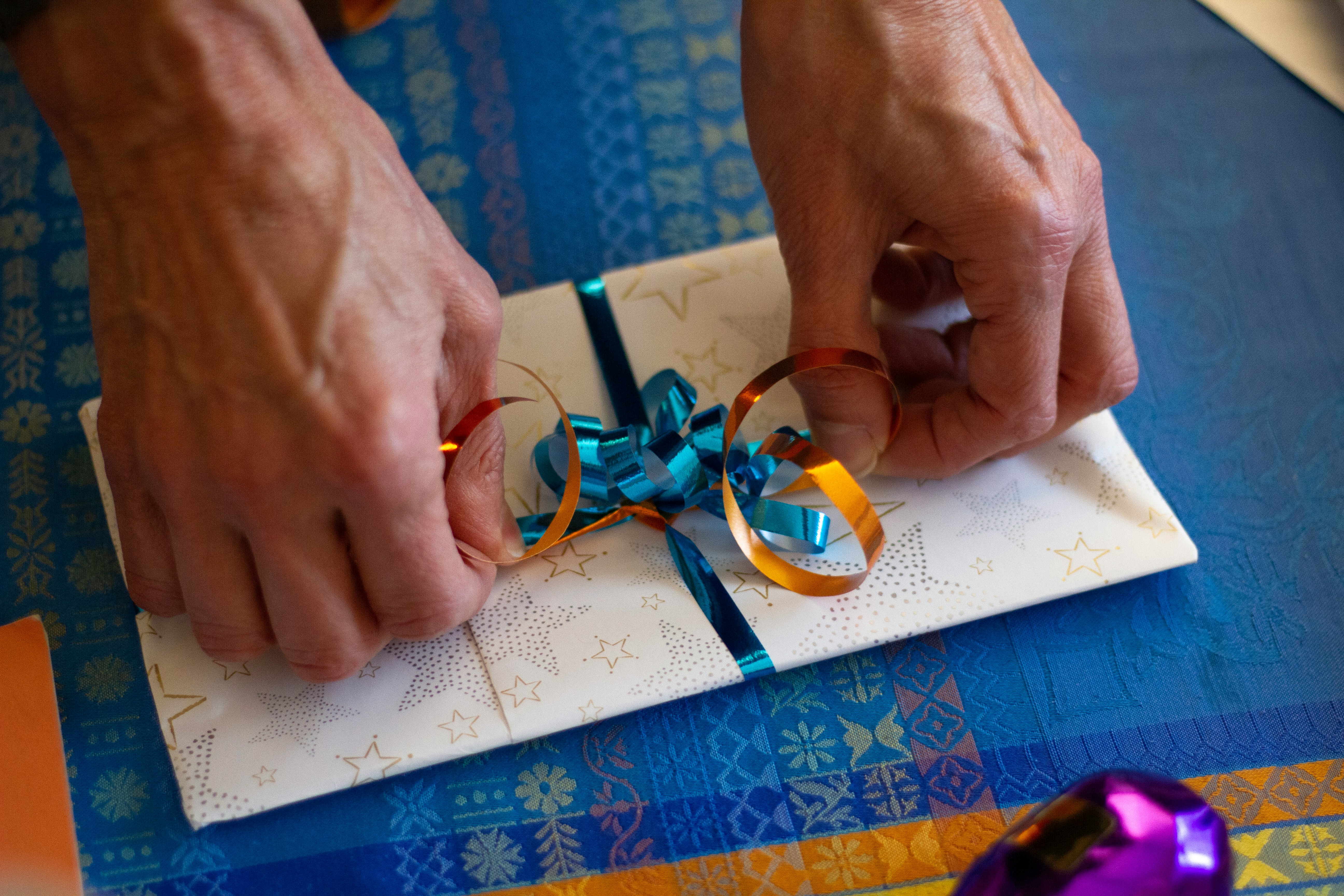
Talk about the flight at the passenger’s pace. Use calm, ordinary language such as “We will meet the pilot first” and “You can ask questions during the briefing.” Skip surprise add-ons and dramatic videos the night before. If the flight is a gift, our gift-card page can help you present the experience early enough for the recipient to feel included in the planning.
Support them without becoming their spokesperson
Ask one direct question before booking: “What would help you feel more prepared?” The answer may be seeing the route, knowing who to call, or simply hearing that questions are welcome.
On flight day, tell the team that this is the passenger’s first scenic flight, then let the passenger speak for themselves whenever possible. Being heard is part of feeling prepared. A companion can stay supportive without answering every question or repeatedly checking whether the person is scared.
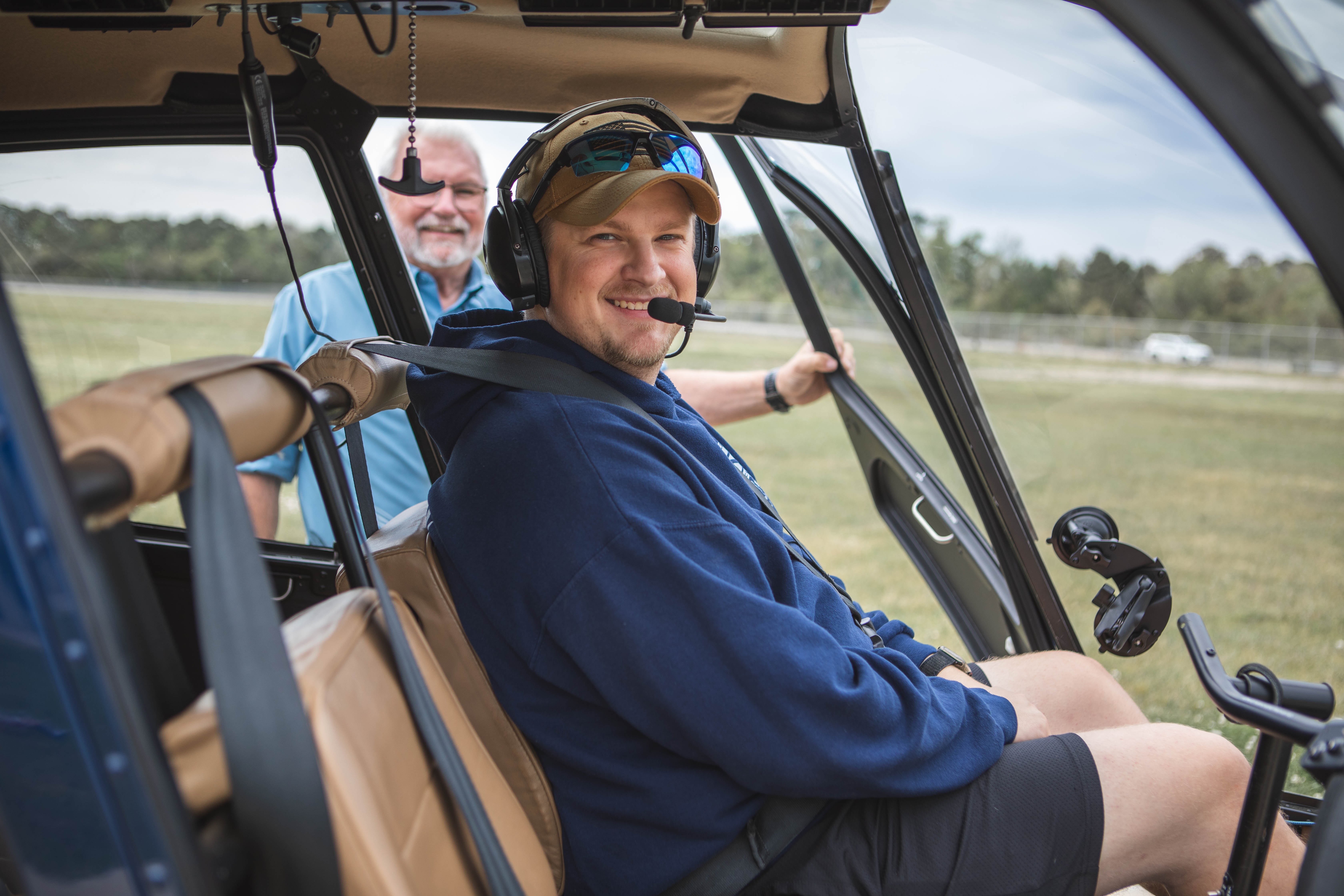
After landing, let the passenger decide how to describe the experience. Pride may look quiet, relieved, excited, or ready to fly again. Our guest testimonials show why the personal experience matters as much as the view.
Questions nervous first-time flyers often ask
Should I hide my nerves from the pilot?
No. Tell the team before boarding so the pilot can include your concern in the normal conversation and briefing.
What should I eat before a scenic flight?
Choose a light, familiar meal and drink water. We recommend small amounts of food and hydration for motion-sickness prevention. If you have a medical condition or dietary concern, get individualized advice before choosing a tour.
Should I take motion-sickness medicine?
Ask a healthcare professional in advance. Suitability and side effects vary, and some medicines can cause drowsiness.
What should I focus on during the flight?
Look outside and choose a landmark to follow. The horizon, coastline, rivers, beaches, and lighthouses give your attention a clear destination.
What if weather changes the plan?
Follow the team’s instructions. Weather and operational needs can affect aviation plans, so keep your contact details available and leave flexibility around the experience.
Turn the unknown into one clear next step
You do not have to erase every nervous thought before someone can enjoy a scenic tour. Preparation gives that nervous energy somewhere useful to go: understand the sequence, choose the view, talk with the pilot, listen to the briefing, and look for the first landmark.
Ready to plan a first flight? Contact High Tide Aviation to choose your scenic tour and tell us what would help your first-time flyer arrive prepared.